Why 1933 matters
The U.S. Mint struck gold coins for circulation until 1933. That year the government stopped gold coinage and called most gold coins in. Many families kept theirs anyway, and those coins still come out of safes and bank boxes today.
Gold content by coin
Classic U.S. gold coins are 90 percent gold. The amount of gold depends on the face value.
- $20 double eagle: 0.9675 troy ounces of gold
- $10 eagle: 0.48375 troy ounces
- $5 half eagle: 0.24187 troy ounces
- $2.50 quarter eagle: 0.12094 troy ounces
When a gold coin beats melt
Most pre-1933 gold coins sell above melt value. Even a worn common date double eagle usually brings a premium because so many were melted over the years.
The premium grows with condition and scarcity. Mint marks matter. Coins from Carson City (CC), New Orleans (O), Dahlonega (D before the Civil War) and Charlotte (C) were struck in smaller numbers and draw strong collector interest.
Liberty or Saint-Gaudens
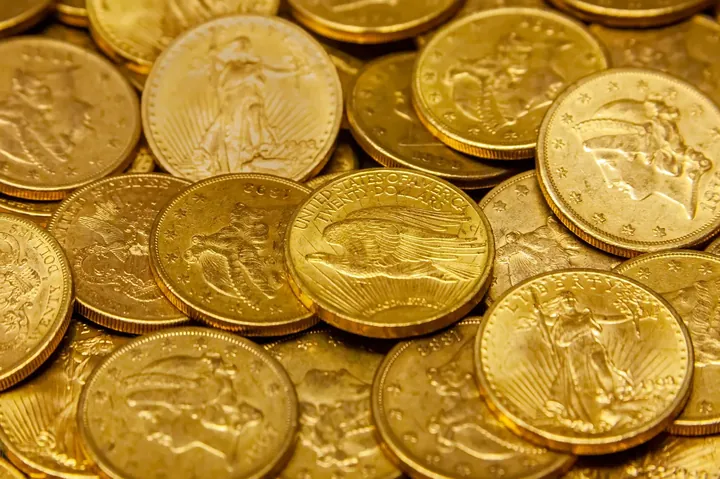
The Liberty Head double eagle ran from 1850 to 1907. Augustus Saint-Gaudens designed the double eagle that replaced it in 1907, with Liberty striding forward on the front and an eagle in flight on the back. Collectors call it one of the most beautiful American coins.
Both types hold the same amount of gold. Prices differ by date and condition.
Signs of trouble
Gold coins have been counterfeited for a long time, and some fakes are well made. We check weight, size and detail on every coin. Jewelry mounts, solder marks and holes also lower the price, though the gold still counts.
Quick answers
Is a pre-1933 double eagle worth more than a Gold Eagle?
Often, yes. A Gold Eagle sells close to its gold value. A double eagle usually carries a collector premium on top of its gold.
Should I sell gold coins as a group?
You can. We price each coin on its own lines in the written offer, so you can see the value of every piece.
Ready to sell? See gold coins with Houston Gold and Coin.